Common Mistakes When Storing Wheat Berries and Flour at Home
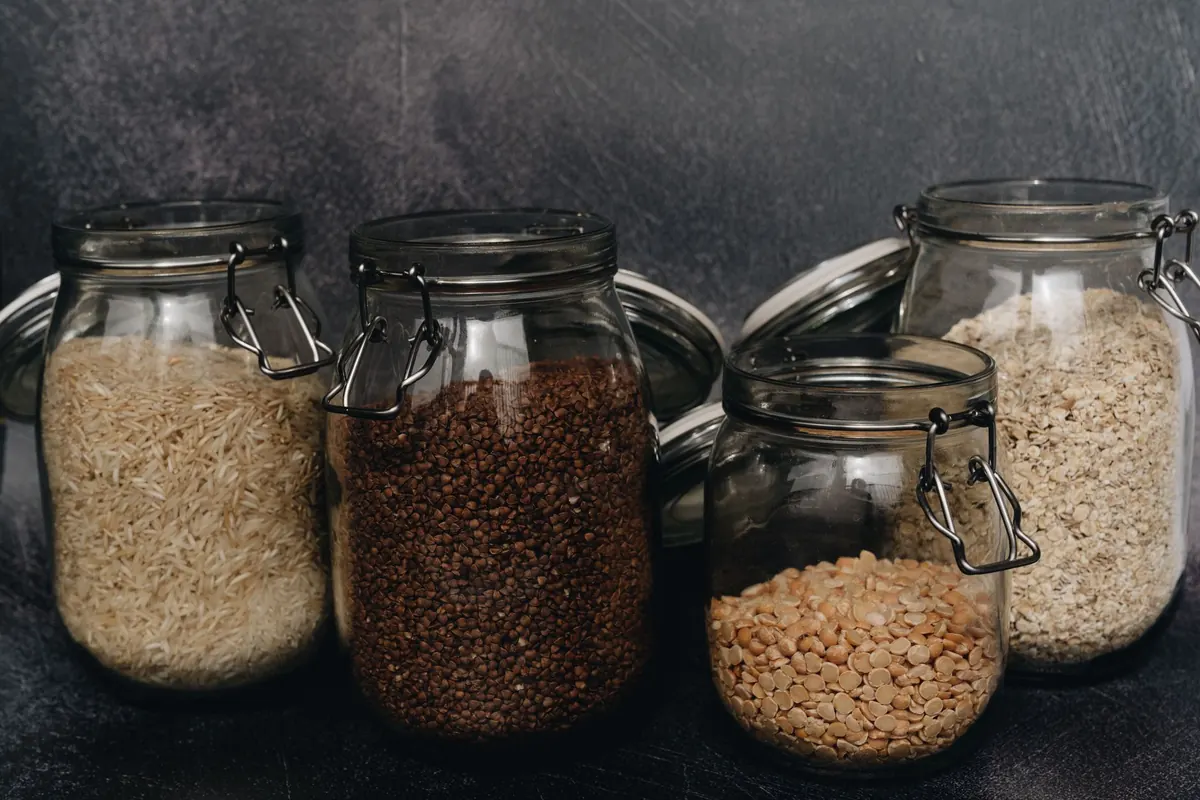
A practical home storage guide to wheat berries and flour — moisture control, airtight containers, pest...

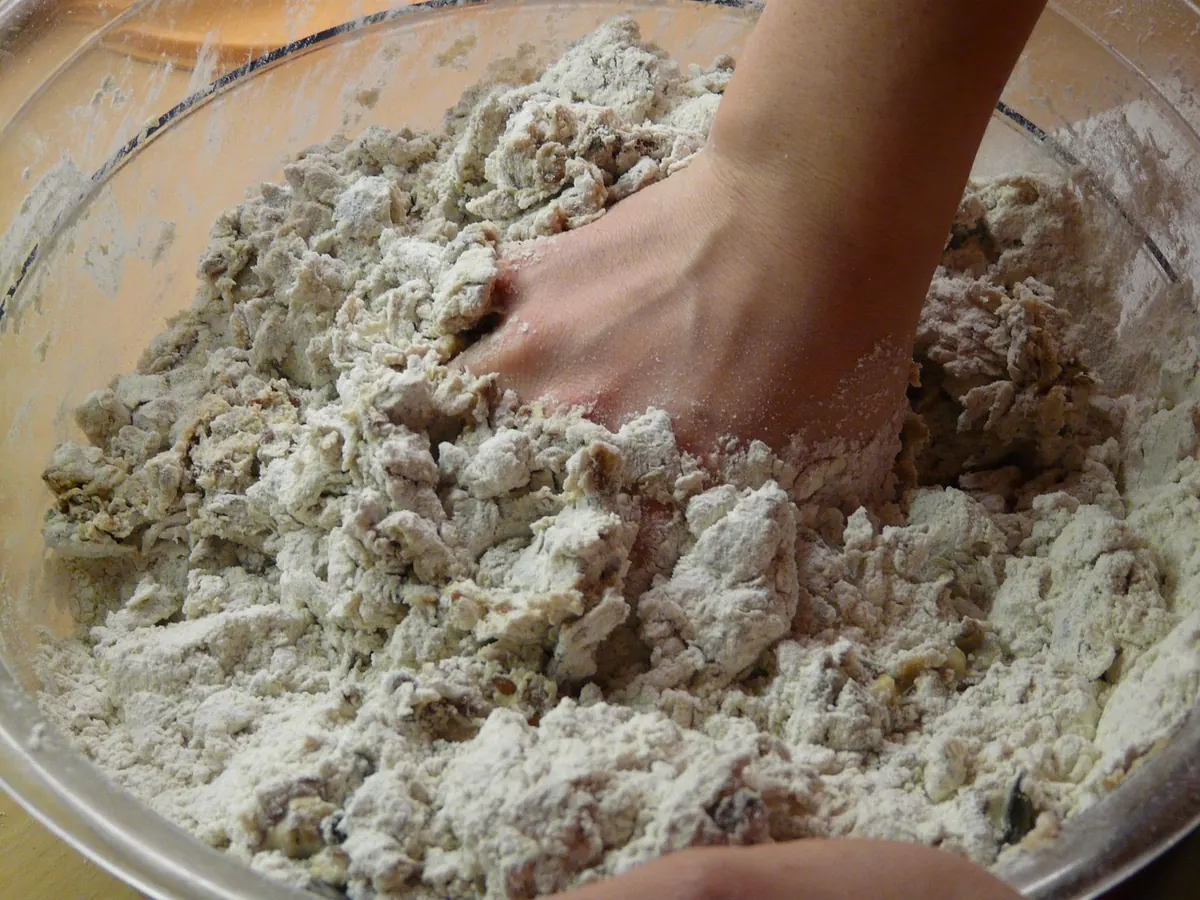
Whole wheat dough has a reputation for being difficult, and most of the trouble happens on the counter, not in the oven. The bran is the reason. Those flecks are thirsty and they are sharp: they soak up water slowly, and they slice through gluten strands while you work. A dough that would be forgiving with white flour turns stubborn, then sticky, then suddenly stiff, and the loaf bakes up dense enough to hold a door open. The reassuring part is that these failures are predictable. Nearly every heavy, crumbly whole wheat loaf traces back to a handful of habits at the kneading stage. Here are the seven that cause the most damage, and what to do instead.
The instinct when a dough feels wet and sticky is to hold back water. With whole wheat, that instinct works against you. Bran absorbs a surprising amount of liquid, and it does so slowly, over twenty or thirty minutes rather than instantly. So a dough mixed at what looks like the right consistency will tighten up considerably by the time you come back to it.
If your white sandwich loaf runs at about 68 percent hydration, a 100 percent whole wheat version usually wants to start somewhere around 78 to 82 percent. Treat those figures as a starting point, not a rule — grind, freshness, and humidity all shift them. The practical test is how the dough behaves over time. A well-hydrated whole wheat dough often feels too loose in the first five minutes and just right after thirty. If it feels perfect immediately and stiff an hour later, you left water out.
Hold back about 5 percent of the water at mixing. Add it after the rest if the dough still feels tight. It is much easier to add water than to remove it.
You can save yourself a great deal of kneading by not kneading at first. Combine the flour and most of the water, cover the bowl, and walk away for twenty to forty minutes. During that rest, the bran hydrates and the flour's own enzymes begin developing gluten without any mechanical work from you.
For coarse or stone-ground flour, push the rest longer, or mix it in the evening and leave it covered in the refrigerator overnight. Salt and yeast can wait until after the rest; adding salt early slows the hydration you are trying to encourage. Dough that has had a proper rest comes together faster, feels less tacky, and needs noticeably less handling to reach a workable state.
This is the mistake that catches experienced white-bread bakers. You stretch a piece of dough thin, expecting that translucent windowpane, and it tears. So you knead more. And it tears again.
Whole wheat will rarely give you the same windowpane as white flour, because the bran physically interrupts the gluten network. That is not a failure; it is the nature of the flour. Kneading past the point of development makes things worse, not better. Watch for these signs that you have gone too far:
Stop while the dough is still slightly rough. Finish development with a few rounds of stretch and folds during the first hour of bulk fermentation — gentle, effective, and far kinder to a fragile whole wheat network.
Sticky hands reach for the flour jar, and the dough gets stiffer with every handful. The problem is that flour added late never fully hydrates. It sits in the crumb as dry pockets, and it drags your carefully calculated hydration down to something the bran cannot work with.
Instead of dusting, try these:
If you truly need something on the bench, a light dusting of rice flour or fine semolina stays on the surface without being absorbed. Flour what you can see, not what you feel.
Whole wheat responds better to intervals than to a single eight- or ten-minute push. Knead for three or four minutes, cover the bowl, and leave it alone for ten. Repeat two or three times. Each rest gives the bran another chance to drink and the gluten another chance to organize, so the dough you return to is more cooperative than the one you left.
If you are using a stand mixer, keep it on low and pay attention to temperature. Friction warms dough quickly, and a warm whole wheat dough turns slack and sticky in a way that is hard to recover from. When the bowl feels warm to the touch, stop and finish by hand.
Bran is not just flour with texture. It is the part of the grain that causes most of the trouble, and it can be managed. A few approaches worth trying:
Sift the coarsest bran out of your flour, soak it in a portion of the recipe's water for twenty minutes, then work it back in at the end of mixing. The sharp edges soften, and the dough handles like something closer to white flour.
A dry pan and a few minutes over medium heat will mellow the raw, slightly bitter note that some whole wheat flours carry. Cool it completely before it goes back into the dough.
Stone-ground flour varies enormously. If your loaves are consistently heavy with one bag and fine with another, the mill settings may be the variable, not your technique.
Recipes give times because times are useful, but the dough in front of you is the better authority. Freshly milled flour absorbs water differently from a bag that has sat in the pantry for months. A humid July kitchen behaves nothing like a dry January one. Whole wheat sourdough moves on a different schedule than a commercial-yeast version of the same formula.
Learn two checks and use them instead of a timer. First, the poke: press a floured finger into the dough and see how quickly it springs back. Second, the stretch: pull a small piece gently and notice whether it resists or simply gives way. Together they tell you far more than the clock on the wall.
None of these fixes requires new equipment or a new recipe. They require a slightly different order of operations and a bit more patience at the bowl.
Whole wheat will never handle like white flour, and it is not supposed to. Once you stop fighting the bran and start giving it water and time, the dough becomes steady and predictable — and the loaves stop being something you apologize for.
Photo: Hans / Pixabay
A practical home storage guide to wheat berries and flour — moisture control, airtight containers, pest...
A practical look at how stone mills grind grain, why the flour comes out in so many particle sizes, and...
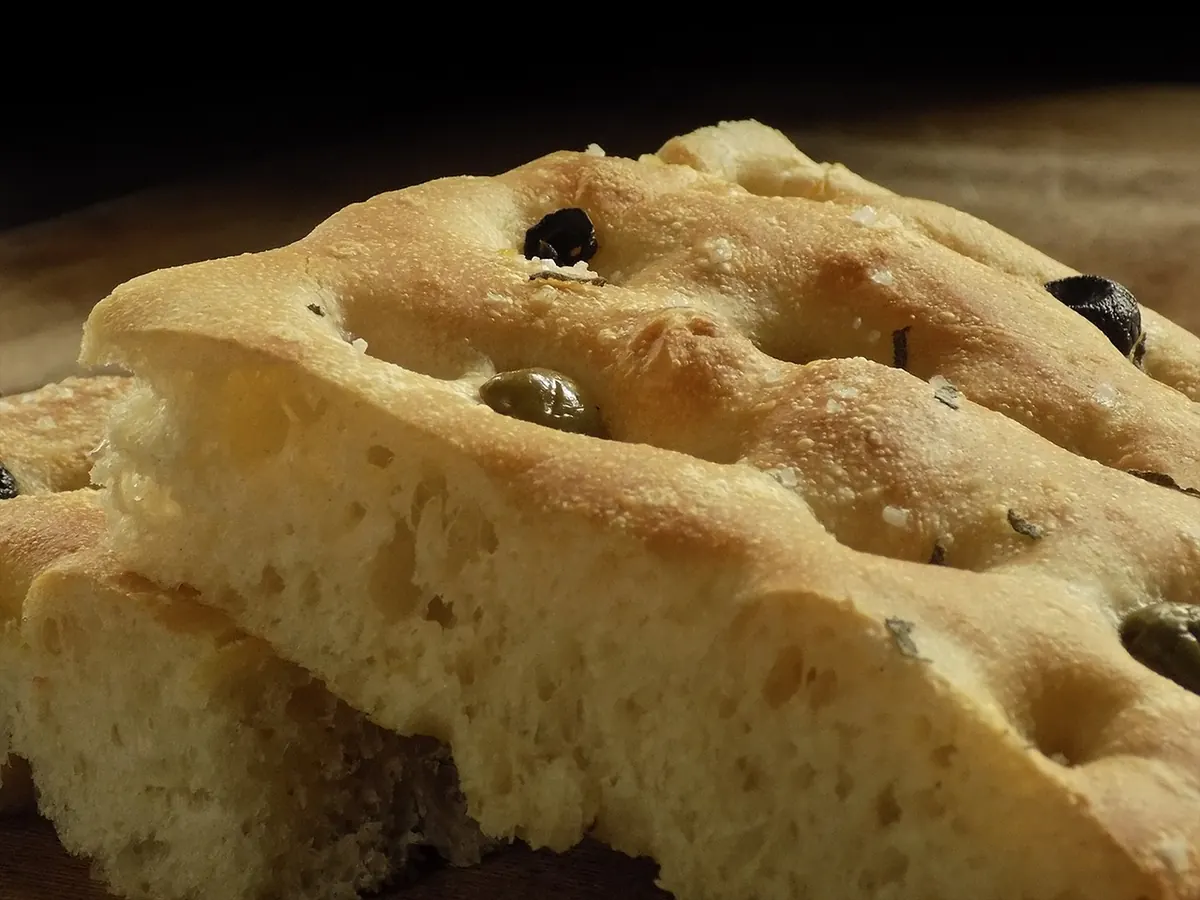
A same-day whole wheat focaccia with olive oil and rosemary — 80% hydration, folded rather than kneaded,...