Common Mistakes When Storing Wheat Berries and Flour at Home
A practical home storage guide to wheat berries and flour — moisture control, airtight containers, pest...

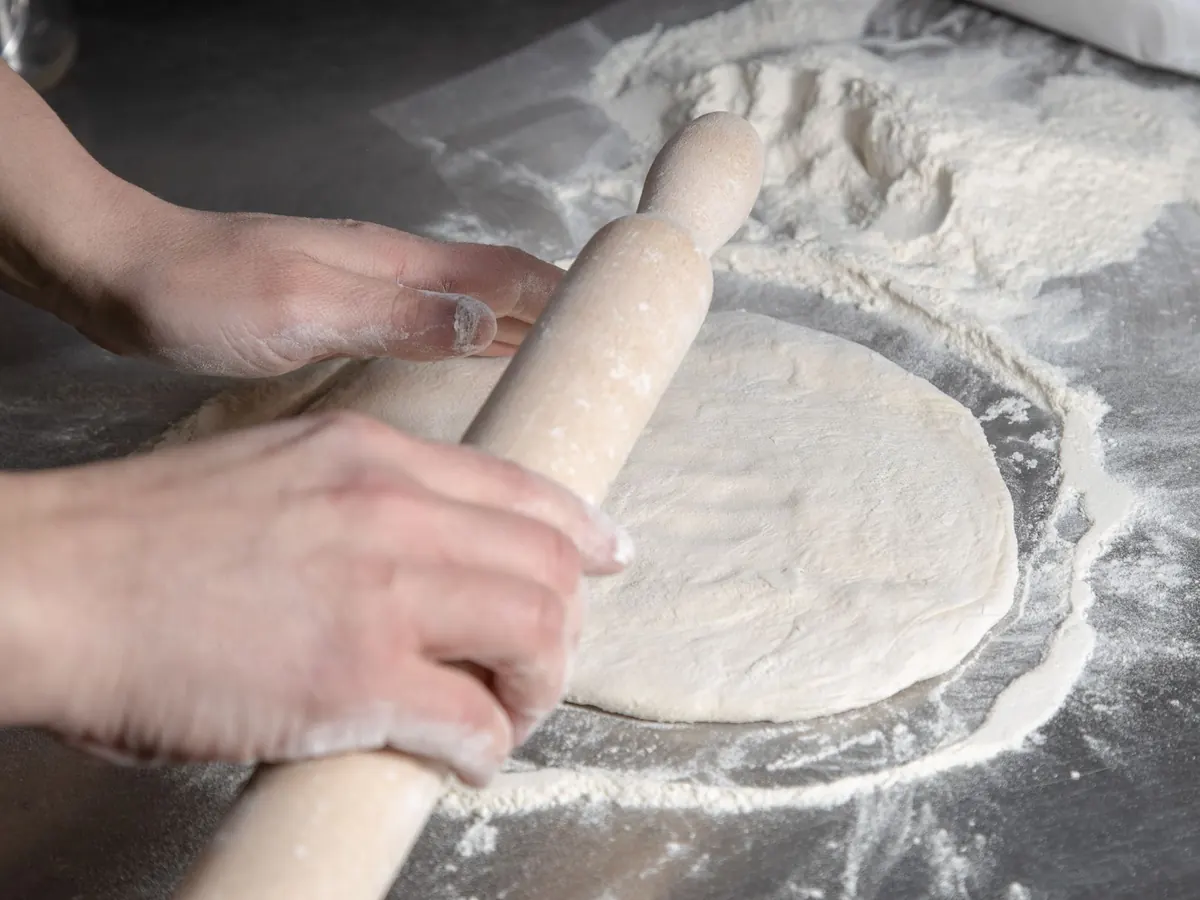
There's a particular kind of quiet that happens in front of a flour shelf. Dozens of bags, most of them white and serious-looking, and no obvious way to tell which one will give you a loaf with a proud ear and which will spread into a pancake. The label says "bread flour." The label almost always says "bread flour."
Sourdough makes the choice matter more than commercial yeast does. A yeasted dough rises on schedule almost regardless of what you feed it. A sourdough culture is a living system of wild yeast and lactic acid bacteria, and the flour decides how fast that system works, how much water the dough can hold, and whether the gluten network survives the acid load long enough to trap gas. Get the flour right and the rest of the process becomes forgiving.
Protein content is the first number most bakers check, and it is useful — with caveats. Millers usually measure it on a 14% moisture basis, and testing methods differ, so 12% on one bag is not identical to 12% on another. More importantly, protein quantity says nothing about protein quality. Two flours at 12% can behave like different species in a dough.
What you want is strong gluten: the kind that comes from hard wheat, milled fine with most of the bran sifted out. That flour stretches a long way before it tears, holds a wet dough, and keeps its shape through a twelve-hour cold proof. Weaker flour at the same protein level will go slack, sticky and disappointing.
Rough working numbers: 11–12.5% protein suits everyday country loaves and moderately high hydration; 13–14% is for very wet doughs, long retardation, or enriched doughs where butter and sugar weigh the gluten down. Below about 10.5% you are in pastry territory — pleasant for a soft sandwich loaf, frustrating if you want an open crumb.
If the bag gives no percentage, look for an Italian W value on the label. W 300 and above is strong; W 170–250 is medium and best blended. If there is no data at all, an honest "strong bread flour" from a hard-wheat origin is your safest guess.
Extraction rate is the share of the whole kernel that ends up in the bag. White flour sits around 70–75%; wholemeal is 100%. Between them lives a whole family — in Italy you meet it as type 00, 0, 1, 2 and integrale; elsewhere as "light wholemeal," "brown" or "85% extraction."
This matters more than most bakers expect. Bran and germ bring flavour, minerals and enzymes. They also bring interference: tiny bran shards slice through gluten strands, and the germ's fats turn rancid on a warm shelf. Higher extraction means more aroma, faster fermentation, a thirstier dough and a tighter crumb.
One trap: feed your starter the same extraction you bake with, or at least close to it. A starter kept on white flour will happily leaven a 30% wholemeal dough, but a starter kept on whole rye and suddenly asked to raise a white flour dough can feel sluggish until it adapts.
Species and variety change behaviour as much as protein does, and the bag rarely tells you which one you have.
Common bread wheat with hard, glassy endosperm. High protein, strong gluten, tolerant of long fermentation. This is what you want as the backbone of a sourdough, usually 60–100% of the blend.
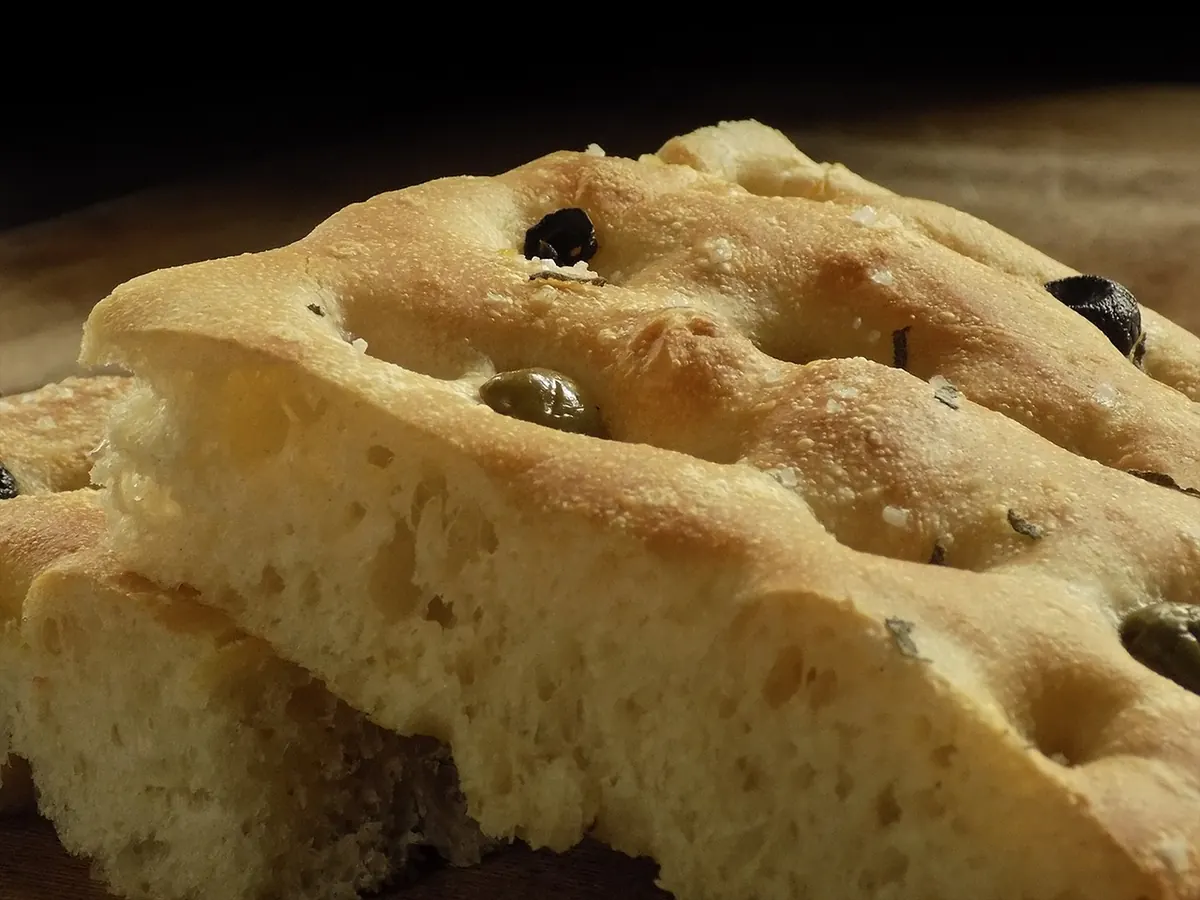
Lower protein, extensible, gentle. Excellent for focaccia, pizza and soft enriched loaves, and a useful corrective if your usual flour makes dough that fights back. Not a good solo choice for a tall, open-crumb boule.
Durum has plenty of protein but behaves differently — stiff, yellow, faintly sweet, superb in southern Italian breads and in blends at 10–20%. Semolina is coarser and absorbs slowly, so give the dough an extra rest before judging hydration.
Older wheats with more extensible, less elastic gluten. They ferment quickly, feel soft and silky, and punish over-proofing. Use them at 20–50% alongside a strong bread flour and cut your bulk time rather than adding to it.
Rye is not wheat, but it belongs in this conversation: at 10–20% it adds colour, sourness and shelf life, and it speeds fermentation up considerably. Treat any rye in the blend as a timer running faster.
Flour strength and fermentation length are two ends of the same stick. Strong flour tolerates a long, cool bulk and an overnight retard in the fridge; it will still have structure in the morning. Weak or high-extraction flour does not. If you build a dough from mostly soft wheat or wholemeal and then leave it at room temperature for six hours, you will get a sour, slack mass with no strength left for shaping.
Three practical adjustments cover most situations:
Most bakers end up with a two- or three-flour house blend rather than one bag. It solves problems cheaply: strong white flour for structure, something with flavour for character, and a small percentage of rye or wholemeal for fermentation and aroma.
Keep the strong flour as the majority until you can read a dough by feel. Once you know what a properly developed 75% hydration dough looks and smells like, you can start shifting the ratios without losing your bearings.
Do not try to judge a flour from the bag. Buy two, bake one recipe twice in the same week, same hydration, same temperature, same starter percentage, and write down what happened: how long bulk took, how the dough felt after the last fold, how it shaped, and how the crumb looked the next day.
Two loaves will tell you more than a year of reading labels. Once you know how a specific bag behaves in your kitchen — with your water, your starter, your oven — you can stop shopping by protein number and start buying by result. That is the point where sourdough stops being a puzzle and becomes a routine.
Photo: Boris Hamer / Pexels
A practical home storage guide to wheat berries and flour — moisture control, airtight containers, pest...
A practical look at how stone mills grind grain, why the flour comes out in so many particle sizes, and...
A same-day whole wheat focaccia with olive oil and rosemary — 80% hydration, folded rather than kneaded,...